How to Organize a Pool Tournament: The Complete Guide
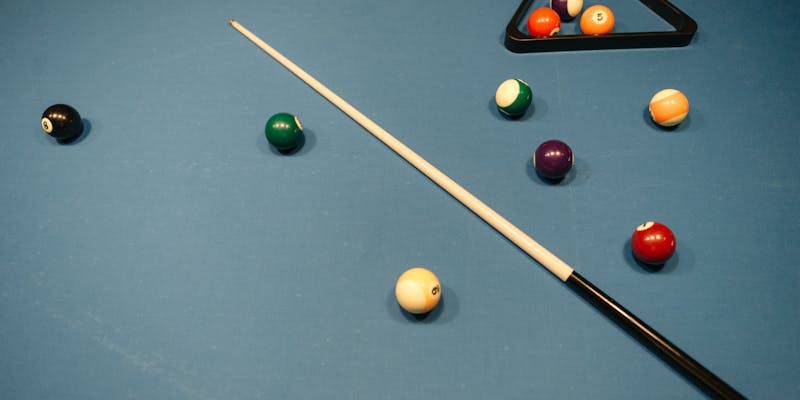
Whether you are a bar owner looking to draw a crowd on a slow night or a pool enthusiast who wants to create a competitive event for your community, knowing how to organize a pool tournament is a valuable skill. A well-run tournament builds excitement, brings new faces into your venue, and creates the kind of memorable nights that keep people coming back. A poorly run one frustrates players and damages your reputation. This guide covers every step from planning to post-event wrap-up.
Step 1: Choose Your Tournament Format
The format you choose determines the length of the event, how many matches each player gets, and the overall feel of the tournament. Here are the three most common options:
Single Elimination
Lose once and you are out. This is the fastest format, which makes it ideal for bars that want to wrap up in a single evening. A 16-player single elimination bracket requires only 15 matches. The downside is that players who lose in the first round may leave early, reducing bar revenue. Best for larger fields (24+) where time is a constraint.
Double Elimination
Players must lose twice before being eliminated. This is the most popular format for bar tournaments because it guarantees every player at least two matches, which keeps them in the venue longer and spending more. A 16-player double elimination bracket requires up to 31 matches, so plan for a longer event or spread it across two nights.
Round Robin
Every player plays every other player (or every player in their group). This format works best for smaller fields of 6 to 10 players and rewards consistency over single-match luck. It takes the longest but produces the most definitive results. Consider a round-robin group stage followed by a single elimination playoff for larger events.
Step 2: Set Entry Fees and Prize Structure
Entry fees should match your audience. For a casual bar tournament, $10 to $20 is the sweet spot. Serious players at a pool hall might pay $30 to $50. The entry fee sets expectations about the level of competition and the prize pool.
A common prize structure for a 16-player, $20 entry tournament ($320 total pot):
- 1st place: $160 (50%)
- 2nd place: $80 (25%)
- 3rd place: $48 (15%)
- House cut: $32 (10%)
Some venues skip the house cut entirely and treat the tournament as a loss leader that drives food and drink sales. Others add a venue-sponsored bonus, such as a bar tab credit for the winner, to sweeten the pot without increasing the entry fee. Either approach works as long as the players feel the prize is worth the buy-in.
Step 3: Establish the Rules
Rule disputes are the number one thing that derails amateur pool tournaments. Decide on and communicate the rules before anyone picks up a cue. Key decisions include:
- Game type: 8-ball, 9-ball, or 10-ball
- Call shot vs. slop: BCA rules require calling the pocket for the 8-ball; many bar rules call every shot
- Break rules: Must the cue ball stay behind the headstring? Is a scratch on the break ball-in-hand?
- Fouls: Ball-in-hand anywhere (BCA standard) or behind the headstring (common bar rule)?
- Race to: How many games per match? Race to 3 is common for bar tournaments; race to 5 or 7 for more competitive events
Print or post the rules visibly at the venue. Consider using BCA standardized rules as a baseline since they are well-documented, widely understood, and eliminate most ambiguity. If you are using bar rules, write down exactly what that means for your event so there is no room for debate.
Step 4: Seed and Draw the Bracket
Seeding determines the initial matchups. You have two options:
- Random draw: Names pulled from a hat. Simple, fair, and works well for casual events where skill levels are unknown
- Skill-based seeding: Rank players by known ability (Fargo ratings, APA skill levels, or your own assessment) and seed them so the strongest players do not meet in early rounds. This produces a more competitive final bracket
For bar tournaments with a mix of skill levels, random draw with an optional handicap system is often the best approach. It keeps things simple while giving less experienced players a fighting chance, which keeps them engaged and spending.
Step 5: Schedule and Manage Matches
Timing is critical. Estimate 20 to 30 minutes per match for a race to 3, and 40 to 60 minutes for a race to 5. Build in a 5-minute buffer between matches for table setup. Work backwards from your desired end time to determine when to start.
For a 16-player double elimination tournament with one table:
- Up to 31 matches x 25 minutes = approximately 13 hours (not feasible in one night)
- With 2 tables running simultaneously = approximately 6.5 hours
- With 3 tables = approximately 4.5 hours (start at 6 PM, finish by 10:30 PM)
If you only have one or two tables, consider reducing the field size or using single elimination. Nothing kills the energy of a tournament faster than players waiting two hours between matches.
Step 6: Equipment Prep and Venue Setup
Before the tournament, inspect every table. Re-felt any tables with tears or dead spots. Make sure all ball sets are complete and clean. Stock extra chalk, have at least two house cues in decent condition, and verify that the lighting above each table is adequate. Set up a visible bracket board, whether that is a whiteboard, a printed poster, or a digital display connected to your tournament management tool. Players should be able to check their upcoming matches at a glance without having to ask the tournament director.
Step 7: Promote and Manage Sign-Ups
Start promoting at least two weeks before the event. Post on your social media channels, put up flyers at the venue, and spread the word through local pool groups and leagues. Offer early registration with a small discount to lock in commitments and help you plan the bracket size. Digital sign-up tools are far superior to paper lists because they eliminate no-shows, collect contact information for future events, and let you communicate schedule changes to all registered players instantly.
Step 8: Day-of Logistics
On tournament day, designate one person as the tournament director. This person handles the bracket, calls matches to the table, resolves disputes, and keeps the event on schedule. The tournament director should not be playing in the event if at all possible.
Collect entry fees at check-in, confirm the rules one more time verbally or with a posted sheet, and keep the bracket updated in real time. If you are using a digital bracket tool, players can follow along on their phones, which reduces the number of “who am I playing next?” questions and lets the director focus on running matches smoothly.
Using Digital Tools for Tournament Management
The days of hand-drawing brackets on poster board are fading. Modern tournament tools handle bracket generation, automatic scoring, real-time standings updates, and player notifications. They eliminate math errors, speed up the event, and create a more professional experience for players. Platforms like Cued Up let you manage the entire tournament from your phone, from registration through final results, while also tracking individual player stats that carry over to leagues and casual play.
A great pool tournament is not complicated. It requires clear rules, solid scheduling, visible brackets, and someone keeping things moving. Handle those fundamentals, and players will remember the competition, not the logistics.