How to Start a Pool League at a Bar: The Complete Guide
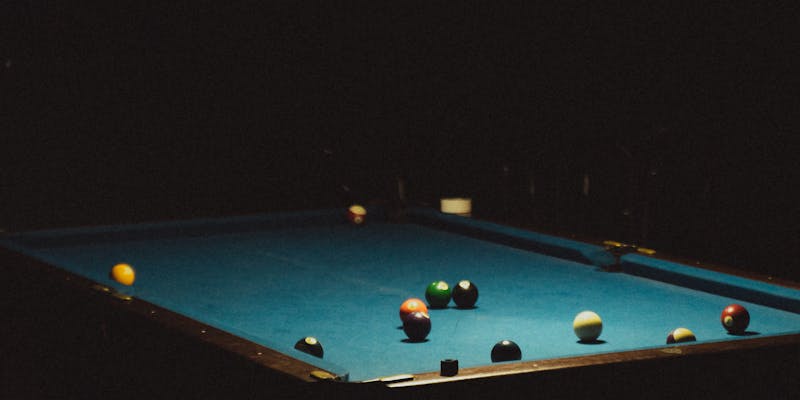
If you own a bar with pool tables and have ever thought about starting a league, you are sitting on one of the most reliable ways to drive repeat traffic on a slow weeknight. A well-run pool league fills seats, moves drinks, and turns casual players into loyal regulars. This guide walks you through every step of how to start a pool league at a bar, from choosing the right format to leveraging modern technology like cuedupapp.com to streamline operations.
Step 1: Choose Your League Format
The first decision is the game itself. The two most popular options are 8-ball and 9-ball, with 8-ball being the overwhelming favorite for bar leagues because most recreational players already know it.
Team vs. Individual
Team leagues are the standard for bars. A typical setup has 4 or 5 players per team, with teams representing different bars or simply groups of friends. Team play builds camaraderie and keeps attendance consistent because players feel accountable to their teammates. Individual leagues work well too, especially for smaller venues, but they generate less of the social energy that keeps people coming back week after week.
8-Ball vs. 9-Ball
For a bar setting, 8-ball is almost always the right starting point. It is universally known, games last a reasonable length, and you do not need to teach newcomers. 9-ball is faster and favored by more serious players, but it can intimidate beginners. Some leagues run both formats on alternating weeks, which keeps things interesting while broadening appeal.
Step 2: Set the Rules
Ambiguity in rules is the number one source of conflict in casual leagues. You have three main options:
- APA Rules — The American Poolplayers Association provides a comprehensive ruleset, a handicap system (Skill Levels 1-7), and a path to the national championship in Las Vegas. Running an official APA league means paying franchise fees but getting marketing support, league management software, and credibility.
- BCA/BCAPL Rules — Billiard Congress of America rules are the gold standard for "real" pool. BCA leagues use the Fargo Rate handicap system and tend to attract slightly more experienced players.
- House Rules — You define the rules yourself. This gives maximum flexibility but requires you to write everything down and handle disputes. If you go this route, use BCA rules as a base and make clear modifications.
Whichever ruleset you pick, print it, laminate it, and post it near the tables. Make sure every player gets a copy on day one.
Step 3: Build Your Schedule
Choosing the Right Night
Pick the slowest night of your week. For most bars, that is Tuesday, Wednesday, or Thursday. The whole point of a pool league is to drive traffic on nights when the bar would otherwise be half-empty. Avoid Friday and Saturday — those nights fill themselves, and league players will get frustrated competing for table time with walk-in customers.
Season Length
A typical season runs 10 to 16 weeks of regular play, followed by 2 to 3 weeks of playoffs. Shorter seasons (10 weeks) are easier to commit to and great for a first season. Longer seasons (14-16 weeks) generate more revenue and deeper standings but risk player fatigue. Many leagues run two or three seasons per year — a fall season, a winter/spring season, and sometimes a summer session.
Step 4: Set Pricing and Prize Pools
Money matters. Get the pricing right and players feel like they are getting value. Get it wrong and people stop showing up.
- Weekly dues: $5 to $15 per player per week is the standard range. $10 is the sweet spot for most bar leagues.
- Where the money goes: A common split is 50% to the prize pool, 25% to league operations (software, trophies, playoff expenses), and 25% to the venue. Some leagues skip the venue cut and rely on the bar revenue generated by the league.
- Prize structure: Pay out the top 3 teams at the end of the season. First place might get 50% of the pool, second gets 30%, third gets 20%. Cash is king, but some leagues offer bar tabs or trophies.
- Registration fees: An optional one-time fee ($20-$50 per team) covers startup costs like printed schedules and team shirts.
Step 5: Promote to Your Regulars
You do not need a massive marketing campaign. Your first league should come from the people already shooting pool at your bar.
- Put up flyers near the pool tables and in the restrooms 4 to 6 weeks before the start date.
- Talk to your regulars directly. If someone is playing pool on a Tuesday night, they are your target audience.
- Post on your bar's social media — Facebook groups, Instagram stories, even a Nextdoor post.
- Run a free "tryout night" two weeks before the season. Let people play, form teams, and sign up on the spot.
- Partner with other bars. If you can get 4 to 8 teams from different bars, you have a traveling league, which means each bar hosts on a rotating basis and gets fresh foot traffic.
Aim for 6 to 10 teams in your first season. Fewer than 6 and the schedule gets stale. More than 10 and you may need more tables or longer nights.
Step 6: Equipment and Setup
Your tables need to be in good condition. Nobody wants to play league on a table with dead rails and torn felt. Before the season starts:
- Re-felt or clean the tables if needed.
- Make sure you have at least two clean, round cue balls and a full set of solid, unchipped object balls per table.
- Stock decent house cues. Players will bring their own, but beginners need something that is straight and has a tip.
- Have chalk available at every table.
- Good lighting matters more than you think. Ensure the table area is well lit with minimal shadow.
If your tables are coin-operated, decide whether to put them on free play during league nights. Most leagues expect free play — it is a small concession that keeps players happy and spending at the bar.
Step 7: Use Technology to Make It Easy
This is where modern tools can save you hours every week. Managing a league with paper scoresheets, manual standings spreadsheets, and group text messages is painful. It works, but it does not scale, and it burns out league operators fast.
Cued Up is a platform built specifically for this. It handles digital scoresheets, automatic standings calculation, handicap management, player profiles, schedule generation, and real-time communication — all from a phone. Players can see their stats, check the schedule, and get notified about upcoming matches without anyone manually updating a spreadsheet.
For venue owners, Cued Up also provides table management tools — digital queues, QR check-ins, utilization analytics, and billing. It turns your pool tables from a cost center into a data-driven revenue stream.
Whether you choose Cued Up or another tool, the key takeaway is this: do not try to run a league entirely on paper and text messages in 2026. The technology exists, it is affordable, and it dramatically reduces the operational burden.
Getting Started Is the Hardest Part
Starting a pool league at a bar does not require perfection. Your first season will have hiccups — a team that drops out mid-season, a rule dispute you did not anticipate, a night where only half the players show up. That is normal. The important thing is to start, learn, and improve each season.
The bars that run successful leagues share a few traits: they commit to a consistent schedule, they communicate clearly with players, they keep the rules simple and fair, and they invest a little bit of time each week into making the experience great. Do those things, and you will build something that lasts.